Types of Care
Sober Living Homes: What They Are and How to Find One
What Is Sober Living, and How Do I Find a Safe Sober Living Home Near Me?
If you're searching for sober living near me, you're looking for a recovery residence: a shared, alcohol- and drug-free home where people in recovery support each other, often after treatment. Sober living homes aren't treatment, and they aren't in SAMHSA's facility listings. To find a safe one, check your state's certification or registry list, and never accept a home that offers free rent or cash for using a particular treatment program.
Sober Living Near Me: What You’re Actually Looking for
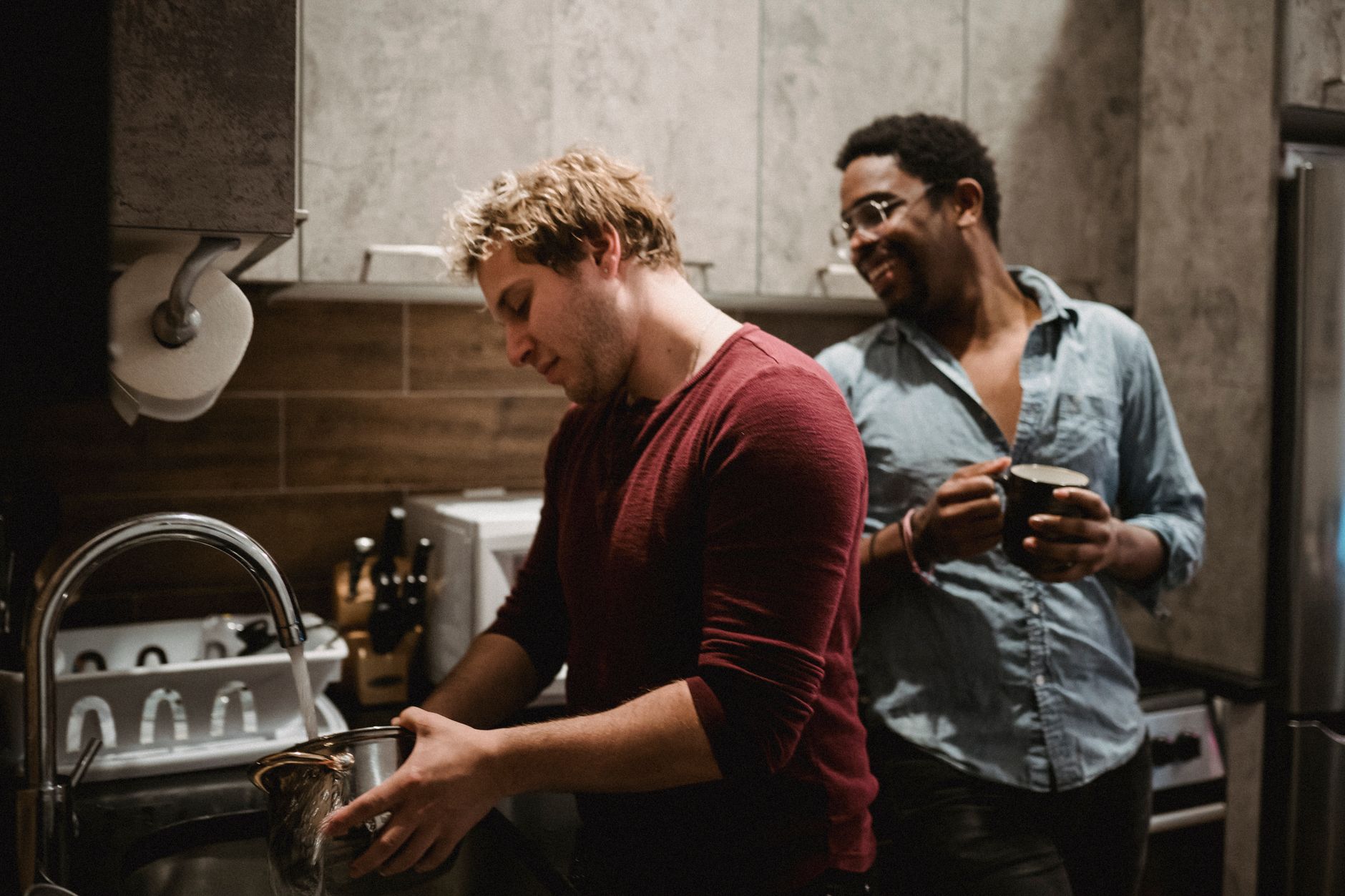
A sober living home is a shared house or apartment where everyone has agreed to live free of alcohol and drugs while they rebuild their lives in recovery. You’ll also see them called recovery residences, recovery homes, sober houses or transitional housing.
FindTreatment.gov, SAMHSA’s treatment locator, describes transitional housing as a temporary place to stay while moving on from an intensive treatment setting. These homes support people in recovery with somewhere to live, and some add help with jobs, school or a case manager.
Here’s the most important thing to know: sober living homes aren’t treatment. They don’t provide medical care, detox or counseling the way a licensed treatment program does. That’s also why you won’t find them in SAMHSA’s directory of treatment facilities, or in this site’s treatment finder. New York’s addiction agency puts it plainly: a recovery residence “is not a clinical placement” but a voluntary choice.
Many people live in a sober home while they attend outpatient rehab or an intensive outpatient program. The home gives you a stable, substance-free place to live; the program gives you the treatment.
Sober Living vs. Treatment: How They Compare
| Sober living home | Residential treatment | Outpatient treatment | |
|---|---|---|---|
| What it is | A shared, substance-free home with peer support | Live-in treatment with clinical staff | Treatment at a program site while you live elsewhere |
| Is it treatment? | No | Yes | Yes |
| Licensed as a treatment facility? | No; some states certify or license the home itself | Yes, by the state | Yes, by the state |
| Listed in SAMHSA’s directory? | No | Yes | Yes |
| Medical or clinical evaluation to get in? | Not required in New York’s certified homes; varies by home | A clinical assessment | A clinical assessment |
| How long | Set by the home and your needs | FindTreatment.gov says a few months to a year | FindTreatment.gov says about two months to a year |
The levels of care tool compares the treatment options in more detail, and inpatient rehab explains residential programs.
What Living in a Recovery Residence Is Like
Each home sets its own rules, but most share a few features. New York’s addiction agency describes recovery residences as homelike settings built on peer support, where residents are linked to community recovery supports, jobs, education and treatment. No medical or clinical evaluation is needed to get in.
Texas says recovery residences are free from alcohol and other substances and are “a common pathway” back into the community after residential treatment. MedlinePlus, from the National Institutes of Health, notes that a supportive living situation matters after alcohol withdrawal, and that some areas have housing designed for people trying to stay sober.
Homes differ in how much structure and staff they have. Texas, for example, funds what it calls level 1, 2 and 3 recovery residences, with Oxford House, Inc. providing the level 1 homes. Ask about house rules on guests, chores and curfews, and how the home handles a return to use.
If you still drink or use every day, start with treatment rather than a sober home. Alcohol withdrawal can quickly become life-threatening, according to MedlinePlus. See detox for safe options.
Does Your State Certify Sober Living Homes?
Sober living rules are set state by state. Each state decides whether to regulate recovery residences. Many work with a state organization tied to the National Alliance for Recovery Residences (NARR), and Indiana, Iowa, Vermont and Washington base their programs on NARR standards. Here’s how states handle it, from state agency research:
| How the state handles it | States |
|---|---|
| State law requires certification, a license or registration (who must comply varies) | Arizona (sober living home license), Colorado, Kentucky, Montana (registry), Virginia, West Virginia |
| Voluntary certification or a state registry | Connecticut, Delaware, Florida, Illinois, Massachusetts, Minnesota (registry starting January 1, 2027), New Hampshire, Pennsylvania (license required for homes taking state referrals or funding), Rhode Island, South Carolina, Texas, Wisconsin |
| A state certification, registry or approved certifiers, with the legal requirement not spelled out | Alabama, Hawaii, Idaho, Indiana, Iowa, Maine, Maryland, Michigan, Missouri, New York, North Dakota, Ohio, Tennessee, Utah, Vermont, Washington |
Even in states where certification is voluntary, it often matters. In Pennsylvania, a recovery house must be licensed by the state if it gets referrals from state agencies or state-funded programs. In Connecticut, the state lists sober living homes certified by Connecticut’s NARR organization and other approved bodies.
Two large states show how voluntary systems work. Florida’s Department of Children and Families approves one group to certify recovery residences, the Florida Association of Recovery Residences, and another, the Florida Certification Board, to certify the people who run them. Texas passed House Bill 299 in 2023, and its Health and Human Services Commission now runs a voluntary recovery housing accreditation. In both states, a certified home has agreed to meet a published standard and be checked against it, which is more than an uncertified home can show you.
In California and Georgia, look for homes certified by the state NARR organizations: the California Consortium of Addiction Programs and Professionals and the Georgia Association of Recovery Residences.
What to Check Before You Move in
A good sober home will answer these questions without pressure. Ask them before you pay anything.
- Is it certified, licensed or registered? Look it up yourself on your state’s list, not just on the home’s word. Pennsylvania even posts inspection results for licensed recovery and halfway houses. Florida lets you check whether a home’s administrator is certified.
- What does the rent cover, and is it in writing? Get the cost, deposit, refund policy and house rules on paper.
- Does it accept medication for opioid use disorder? Not every home does. If you take buprenorphine, methadone or naltrexone, ask directly. Medication for opioid use disorder explains why staying on your medicine matters.
- What happens if someone uses? Ask whether you’d be asked to leave, and whether the home helps you get back into treatment.
- Who runs it, and is there staff on site? Ask how residents are supported and how decisions are made.
- Is it tied to a treatment program? Be careful if the home requires you to attend one specific outpatient program or lab. That can be a sign of the fraud described below.
Patient Brokering and Insurance Fraud: Warning Signs
Federal kickback law names recovery homes specifically, and state agencies warn about recruiters. New York’s addiction agency, OASAS, warns that patient brokers “collect payment from addiction treatment providers” in exchange for referring people to them, and that the care is often more expensive and lower quality.
Federal law treats this as a crime. Under 18 U.S.C. 220, it’s illegal to pay or receive kickbacks for referring someone to a recovery home, treatment facility or lab, or in exchange for someone using its services, when the services are covered by a health plan. Penalties reach a $200,000 fine and 10 years in prison for each occurrence.
Walk away from any home or recruiter that:
- offers free rent, free travel, gift cards or cash if you move in or attend a certain program;
- asks for your insurance card to pay your rent;
- requires frequent drug tests billed to your insurance at a lab it picks;
- pressures you to move to another state for a “free” bed.
In New York, report patient brokering to OASAS at 800-553-5790. Elsewhere, contact your state’s substance use agency, listed on your state page. How to choose a rehab you can trust covers the same warning signs for treatment programs.
How to Find a Safe Sober Living Home
- Start with your state’s list. Many states publish one: Connecticut’s certified sober living homes, Illinois’s and Ohio’s recovery housing registries, Washington’s registry of recovery homes, Wisconsin’s recovery residence registry and Pennsylvania’s licensed recovery house locator. Your state page links your state’s agency.
- Ask your treatment program. If you’re in residential or outpatient treatment, ask your counselor which certified homes they know. A referral should never come with payment to anyone.
- Line up treatment, too. Use the finder to find an outpatient program near the home, so you have care while you live there.
- Plan for the cost. Ask who pays the rent and what help exists. Some states fund recovery housing, such as North Dakota’s Recovery Housing Assistance Program. For the treatment side, see free and low-cost rehab and rehab that takes Medicaid.
If you aren’t sure where to start, SAMHSA’s National Helpline, 1-800-662-4357, is free, confidential and open 24/7. It gives referrals to local treatment programs, support groups and community organizations.
Frequently Asked Questions
Is a Sober Living Home the Same as a Halfway House?
The terms overlap. FindTreatment.gov says transitional housing is sometimes called a halfway house or sober living facility. Some states draw a line: in Pennsylvania, a licensed halfway house can offer treatment, while a recovery house is a place to live.
Do I Need to Finish Rehab Before Moving Into Sober Living?
Not always. New York's addiction agency says no medical or clinical evaluation is required for admission to a recovery residence. Many people move in after residential treatment, and Texas calls this a common pathway back into the community. Each home sets its own admission rules.
Can I Take Medication for Opioid Use Disorder in Sober Living?
It depends on the home, so ask before you move in. Some states make room for it: Texas, for example, funds recovery residences for people using medications for opioid use disorder through Project HOMES. See medication for opioid use disorder.
Is Sober Living Covered by Insurance?
Sober living homes aren't treatment, so don't expect your health plan to pay the rent. Some states fund recovery housing, such as Alabama's state-funded recovery residences and North Dakota's Recovery Housing Assistance Program, so ask your state agency. Be cautious of any home that wants your insurance card to cover your rent.
What Is an Oxford House?
Oxford House, Inc. runs recovery residences. Texas partners with Oxford House, Inc. to provide level 1 homes across the state, and Virginia's certified recovery residences include homes chartered by Oxford House.
How Do I Report a Sober Living Home?
Contact the state agency that certifies or licenses recovery residences, listed on your state page. To report patient brokering in New York, call OASAS at 800-553-5790.
More on Types of Care
- DetoxWhat medical detox involves, how long it takes and where to find it
- Inpatient RehabHow residential treatment works, short and long-term programs
- Outpatient RehabTreatment while you live at home, and who it suits
- Intensive Outpatient (IOP)IOP and PHP schedules and how they compare
- Alcohol RehabTreatment options for alcohol, including medications
- Drug RehabThe types of drug treatment and how to choose
This guide explains treatment options in plain language from official sources. It isn't medical advice; a clinician can assess what care fits your situation.
Sources
- FindTreatment.gov: What to Expect (Transitional Housing)
- New York OASAS: Certified Recovery Residences
- New York OASAS: Stop Treatment Fraud
- 18 U.S.C. 220: Illegal Remunerations for Referrals to Recovery Homes
- Texas HHSC: Adult Substance Use Recovery Residences
- Pennsylvania DDAP: Recovery and Halfway Housing
- Florida DCF: Recovery Residences and Administrators
- MedlinePlus: Alcohol Withdrawal
- Arizona Revised Statutes 36-2062: Sober Living Homes
- Kentucky KRS 222.500 to 222.510
- Montana DPHHS: Recovery Residence Registry
- Virginia DBHDS: Recovery Residences
- West Virginia Code 16-59-4
- Connecticut DMHAS: Certified Sober Living Homes
- Illinois IDHS: Recovery Residence Registry
- Ohio Department of Behavioral Health: Recovery Housing Registry
- Washington HCA: Recovery Residences
- Wisconsin DHS: Recovery Residence Registry
- Minnesota Statutes 254B.211
- SAMHSA: National Helpline
- Alabama ADMH: Alabama Recovery Residents Collaborative
- North Dakota HHS: Recovery Housing
- Colorado BHA: Behavioral Health Licensing