Medication Treatment
Suboxone (Buprenorphine) Treatment: How to Find a Prescriber
Who Can Prescribe Suboxone, and How Do You Find a Prescriber?
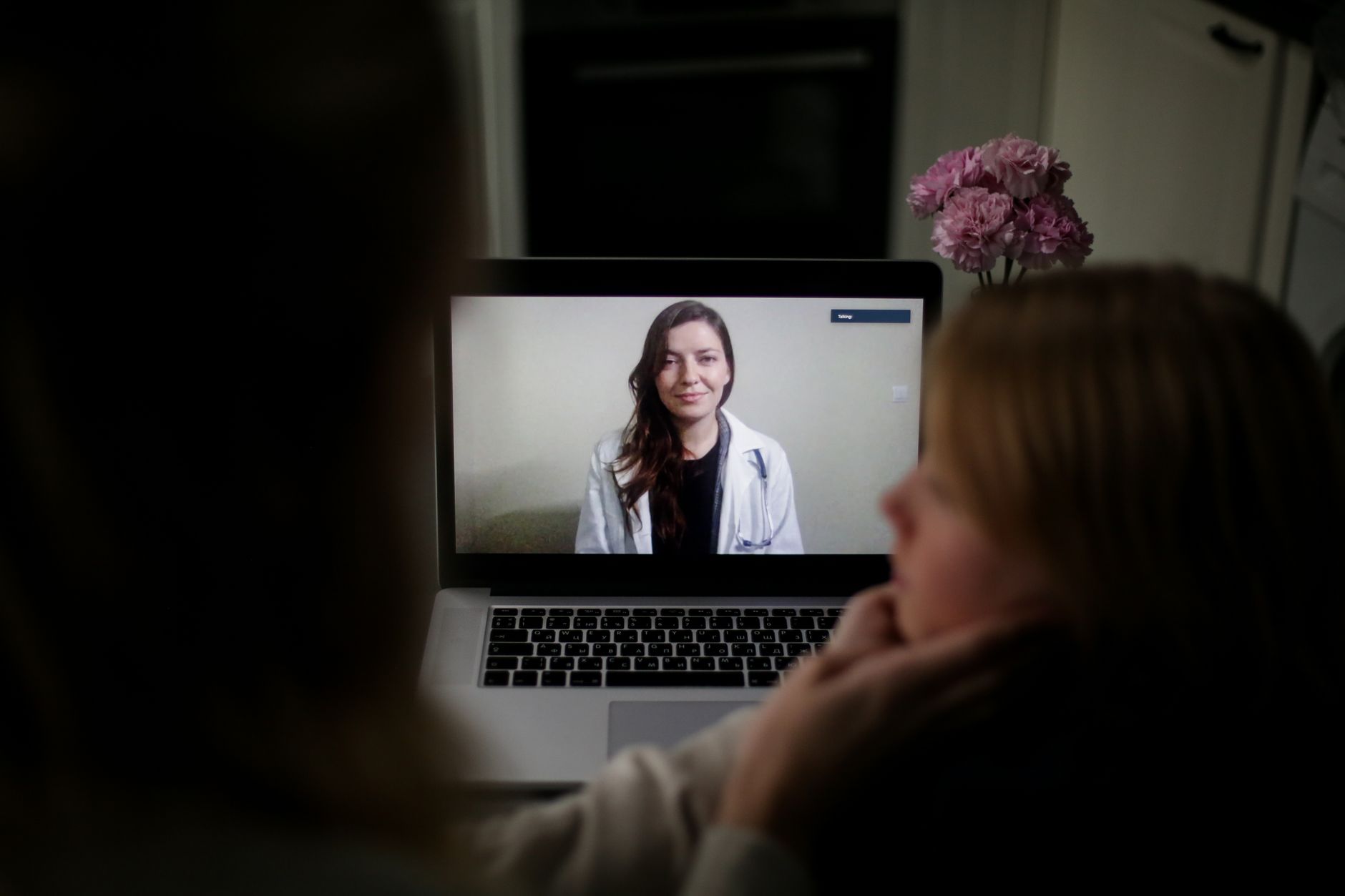
Finding Suboxone doctors near me is easier than it used to be: since the Consolidated Appropriations Act, 2023 removed the federal X-waiver, any clinician with a DEA registration that includes Schedule III authority can prescribe buprenorphine for opioid use disorder where state law allows. You can also start it by telehealth. SAMHSA lists 6,998 facilities that offer buprenorphine (October 2026); search the treatment finder by ZIP code.
What Suboxone Is
Suboxone is a brand of buprenorphine combined with naloxone, one of three FDA-approved medicines for opioid use disorder. Buprenorphine is a partial opioid agonist: SAMHSA explains that it eases withdrawal and cravings with a much weaker opioid effect than heroin, fentanyl or methadone. The naloxone is added to discourage misuse.
The FDA lists several buprenorphine products for opioid use disorder:
- Suboxone film and generic buprenorphine-naloxone film or tablets, dissolved under the tongue or in the cheek;
- Zubsolv tablets;
- plain buprenorphine tablets;
- Sublocade and Brixadi, extended-release injections given by a clinician.
NIDA reports that people treated with buprenorphine or methadone are less likely to die or to overdose than people who get no treatment. The MOUD guide compares buprenorphine with methadone and naltrexone side by side.
Who Can Prescribe Buprenorphine Now
The rules changed at the end of 2022. Section 1262 of the Consolidated Appropriations Act, 2023 removed the federal requirement for a special waiver, known as the X-waiver or DATA waiver, to prescribe buprenorphine for opioid use disorder.
SAMHSA states the current rule plainly: any practitioner with a current DEA registration that includes Schedule III authority may prescribe buprenorphine for opioid use disorder, if state law allows. In practice that means:
- No waiver and no special registration. A standard DEA registration is enough.
- No patient caps. A clinician can treat as many patients as their practice can support.
- Many kinds of clinicians. NIDA notes that doctors, nurse practitioners and physician assistants can prescribe it.
- Counseling isn’t required. SAMHSA strongly encourages counseling but says medication should not depend on it.
- State law still applies. The federal change doesn’t override state rules, so some states add requirements.
A separate part of the same law, section 1263, requires clinicians applying for or renewing a DEA registration since June 27, 2023 to complete eight hours of substance use disorder training or hold an addiction specialty. That training covers all controlled-substance prescribers, so more clinicians now have the basics.
The law didn’t change methadone. Methadone for opioid use disorder still comes only from a certified methadone clinic.
Getting Suboxone Through Telehealth
You can start buprenorphine without an in-person visit. Two federal rules apply as of October 2026.
The permanent buprenorphine telemedicine rule. SAMHSA, on behalf of HHS, and the DEA published a final rule that lets a clinician who has never seen you in person start buprenorphine by phone or video and prescribe up to a total six-month supply. Before each prescription, the clinician must check the prescription drug monitoring program in the state where you are during the visit. If they can’t access it, they can prescribe up to seven days at a time while they keep trying. After the six-month supply, you’ll need an in-person visit or another telemedicine route that federal law allows.
The temporary flexibilities. HHS says the DEA and HHS extended the full set of COVID-era telemedicine flexibilities for prescribing controlled medicines through December 31, 2026. Under these, a DEA-registered clinician can prescribe by telemedicine without an in-person exam if required conditions are met. Ask your telehealth prescriber which rule they’re using and what happens after that date.
If you’ve already had an in-person exam with your prescriber at any point, the six-month limit doesn’t apply. States can set stricter telehealth rules, and clinicians must follow them.
At the pharmacy, a government photo ID works best, but SAMHSA says pharmacists can accept other ID, such as a shelter letter, utility bill or bank statement. A member of your household can pick up the prescription with their own ID.
Where Buprenorphine Is Offered
Buprenorphine is available in more settings than any other opioid use disorder medicine.
| Setting | What to expect |
|---|---|
| Primary care or family practice | Prescription filled at a pharmacy; any clinician with Schedule III DEA authority can prescribe where state law allows |
| Telehealth prescriber | Start by phone or video; up to a six-month supply before an in-person visit under the final rule |
| Opioid treatment program | Dispensed on site alongside counseling and other services; SAMHSA notes OTPs also give buprenorphine |
| Emergency department | NIDA notes treatment can be started there to ease withdrawal after an overdose |
| Addiction treatment facility | Outpatient, intensive outpatient or residential programs that list buprenorphine; SAMHSA lists 6,998 |
| Detox program | Can be used to manage opioid withdrawal and to start ongoing treatment; see detox |
Where to Find It: Buprenorphine (Suboxone) by State
SAMHSA's FindTreatment.gov lists 6,998 substance use treatment facilities with this service (buprenorphine (suboxone)) across 53 states and territories, checked October 2026. Pick a state for its facilities, cities and treatment agency.
How to Find Suboxone Doctors Near Me
One change matters if you’ve searched before. As of June 1, 2026, SAMHSA removed the ability to search for individual buprenorphine practitioners on FindTreatment.gov when it shut down the old waiver system. Facilities that offer buprenorphine are still listed.
That leaves several good routes:
- Search facilities by ZIP code. The treatment finder lists the 6,998 facilities that offer buprenorphine (October 2026). Filter by payment to see which take your insurance. Your state page shows counts by state.
- Ask your own clinician. Your primary care provider may prescribe it now that no waiver is needed, or may know a local clinician who does.
- Check your health plan. Call the member services number on your card and ask for in-network clinicians who prescribe buprenorphine.
- Call the helpline. SAMHSA’s National Helpline, 1-800-662-4357, is free, confidential and open 24 hours a day.
When you call a prescriber, ask: Are you taking new patients? How soon can I start? Do you offer telehealth? Which insurance do you take? Which pharmacies near me stock buprenorphine?
If You Can’t Get an Appointment Right Away
Waiting for a first appointment while you’re in withdrawal or afraid of overdose is hard. You have options while you wait.
- Go to an emergency department. NIDA notes that emergency departments can start buprenorphine to ease withdrawal and cravings, especially after an overdose. Ask the staff to connect you with a prescriber for follow-up.
- Call an opioid treatment program. OTPs can screen new patients for buprenorphine by phone or video under the federal rule, and some can start you quickly. If an OTP is full, ask about interim treatment. The methadone clinics guide explains how OTPs work.
- Consider a detox program. A medically supervised detox program can manage withdrawal and start buprenorphine before you move to ongoing care. SAMHSA lists 2,318 facilities that offer detox.
- Keep naloxone close. Your tolerance can drop quickly during a break from opioids, which raises the risk of overdose if you use again.
If you or someone you love is in crisis or thinking about suicide, call or text 988. For an overdose or other emergency, call 911.
What the First Appointment Looks Like
Your first visit, in person or by video, covers your opioid use, other substances, your health history and every medicine you take. Be open about alcohol, benzodiazepines and sleep aids, because they’re risky with buprenorphine.
Timing matters. SAMHSA explains that you need to be in early opioid withdrawal before your first dose. Starting while other opioids are still active can bring on sudden withdrawal. Your prescriber will tell you when to start and how to adjust. Once you’re stable, the plan is set around your needs, and SAMHSA says treatment can continue as long as it helps, in some cases indefinitely.
If you’re pregnant or planning a pregnancy, tell your prescriber. SAMHSA calls buprenorphine and methadone the treatments of choice during pregnancy and breastfeeding.
Paying for Buprenorphine Treatment
Most insurance covers buprenorphine, though what you pay varies.
- Medicare. Part B covers buprenorphine you get in a doctor’s office or an opioid treatment program, and Part D drug plans may cover pharmacy prescriptions. At a doctor’s office you pay copayments and the Part B deductible.
- Medicaid. SAMHSA lists 9,569 facilities that accept Medicaid. See the Medicaid rehab guide.
- Private insurance. SAMHSA lists 9,562 facilities that take private insurance. The insurance coverage guide explains what plans must cover.
- No insurance. Look for sliding-fee and state-funded programs in free and low-cost rehab.
The Can I Pay for Treatment? checker shows options for your coverage and state.
Staying Safe on Buprenorphine
SAMHSA calls buprenorphine safe and effective when taken as prescribed. A few rules keep it that way:
- Don’t drink alcohol or take sedatives, tranquilizers or other drugs that slow breathing. Mixing them can cause overdose or death.
- Check with your prescriber before starting any new medicine.
- Store it out of reach of children and pets. Even a small amount can harm a child.
- Never share your medicine.
- Keep up with dental care. SAMHSA lists tooth decay among common side effects.
Keep naloxone at home in case of an overdose, and tell the people close to you where it is. If you’re helping a family member get started, the guide on how to help someone with addiction has more on what to say and do.
Frequently Asked Questions
Can My Regular Family Doctor Prescribe Suboxone?
Yes, if they have a DEA registration that covers Schedule III medicines and state law allows it. No special waiver or extra federal registration is needed. Many primary care offices haven't started yet, so ask directly; SAMHSA offers free training and mentoring to help clinicians begin.
Can a Nurse Practitioner or Physician Assistant Prescribe Suboxone?
Yes. NIDA notes that buprenorphine can be prescribed by many doctors, nurse practitioners and physician assistants. The federal waiver removal applies to any practitioner with the right DEA registration; your state's scope-of-practice rules also apply.
Is There a Limit on How Many Patients a Prescriber Can Treat?
Not anymore. SAMHSA says the patient caps ended with the X-waiver. A clinician may treat as many patients with buprenorphine as their practice can support, so a full practice is a capacity issue, not a legal limit.
What if My Pharmacy Doesn't Have Buprenorphine in Stock?
NIDA notes that some people have trouble filling buprenorphine because many pharmacies don't carry it. Call ahead, ask your prescriber which nearby pharmacies stock it, and ask the pharmacy to order it. A DEA and HHS joint letter to pharmacies asks them to fill buprenorphine without undue delay.
Do I Need Counseling to Keep My Suboxone Prescription?
Not under federal rules. SAMHSA says counseling is strongly recommended but medication should not be made contingent on it. Some prescribers require it as part of their program, so ask before you start. Outpatient rehab can add counseling alongside your prescription.
Is Sublocade or Brixadi the Same as Suboxone?
They contain buprenorphine too, but they are extended-release injections given by a clinician instead of a daily film or tablet. The FDA lists both as approved for opioid use disorder. Ask your prescriber whether an injection suits you.
More on Medication Treatment
- Medication Treatment (MOUD)Buprenorphine, methadone and naltrexone compared
- Methadone ClinicsHow certified opioid treatment programs work
- Naloxone (Narcan)Over-the-counter naloxone and how to respond to an overdose
- DetoxWhat medical detox involves, how long it takes and where to find it
- Inpatient RehabHow residential treatment works, short and long-term programs
- Outpatient RehabTreatment while you live at home, and who it suits
This guide explains treatment options in plain language from official sources. It isn't medical advice; a clinician can assess what care fits your situation.
Sources
- SAMHSA: Waiver Elimination (MAT Act)
- SAMHSA: Buprenorphine Telemedicine Prescribing Questions and Answers
- HHS Telehealth: Prescribing Controlled Substances via Telehealth
- SAMHSA: Buprenorphine
- FDA: Information About Medications for Opioid Use Disorder
- NIDA: Medications for Opioid Use Disorder
- Medicare.gov: Opioid Use Disorder Treatment Services
- SAMHSA FindTreatment.gov listing data, checked October 2026