Medication Treatment
Naltrexone for Alcohol: How It Works and What to Expect
How Does Naltrexone Work for Alcohol?
Naltrexone for alcohol use disorder blocks the pleasant effects of drinking and reduces cravings, so you tend to drink less and find it easier to stay stopped. It comes as a 50 mg pill taken once a day or a 380 mg injection given every four weeks. SAMHSA says treatment usually lasts three to four months, starts after detox, and any licensed prescriber can write it. It isn't addictive, and it can't be taken while you use opioids. See the alcohol rehab guide for the full treatment picture.
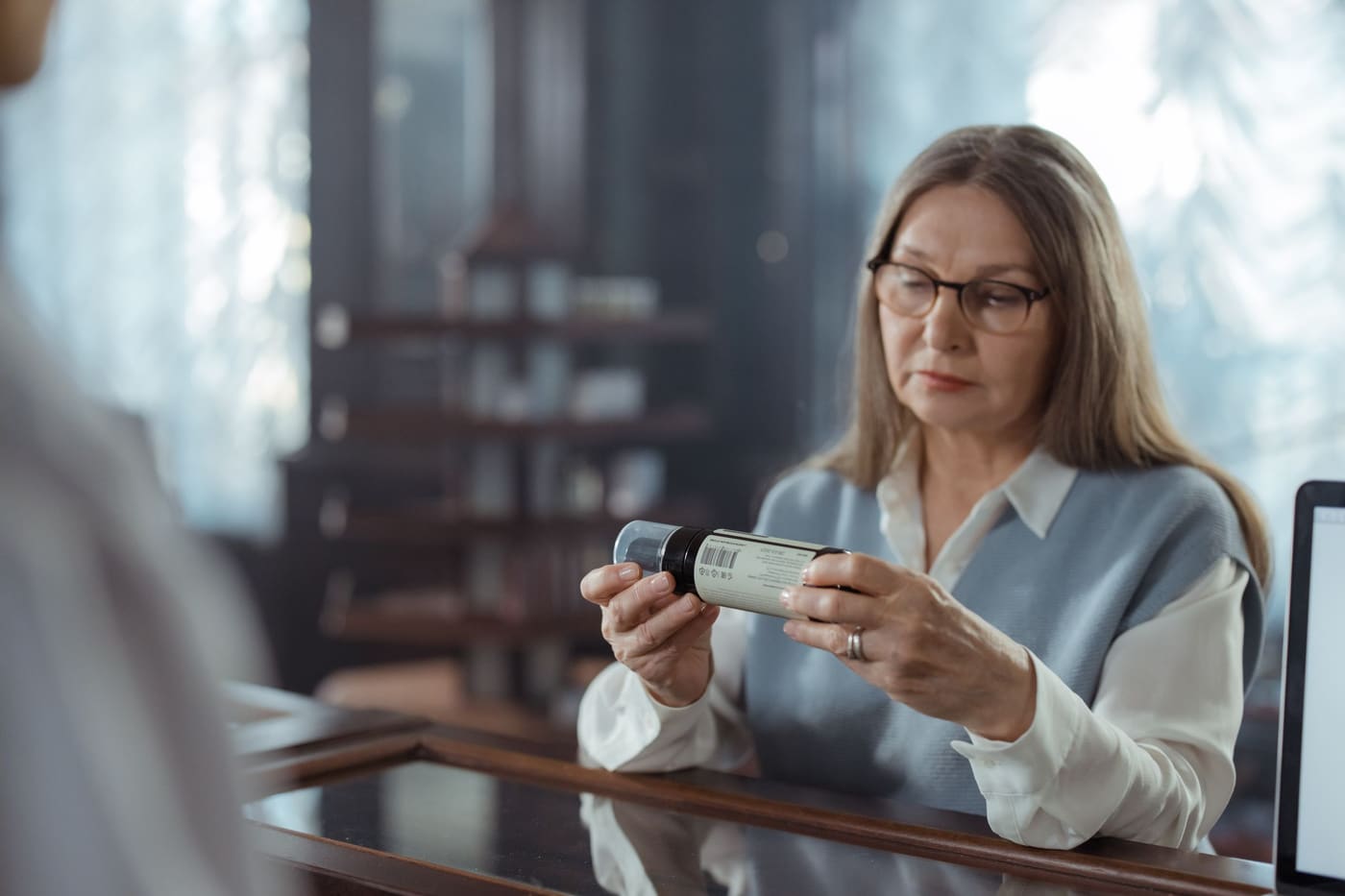
Naltrexone is one of three medications approved in the United States to treat alcohol use disorder (AUD), the medical name for drinking that has become hard to control. It doesn’t make you sick if you drink, and it isn’t addictive. It works quietly in the background, turning down the pull of alcohol while you rebuild the rest of your life. This guide covers how it works, the pill and the shot, when you can start, the side effects, and how to get a prescription.
How Does Naltrexone Work for Alcohol?
Naltrexone blocks the reward you feel from drinking, which lowers cravings and how much you drink. SAMHSA’s naltrexone page explains that it binds to the body’s endorphin receptors and blocks the effects and feelings of alcohol. Once you’ve stopped drinking, it helps you stay stopped.
Don’t confuse it with disulfiram, a different medication that discourages drinking by causing unpleasant symptoms when you drink. Naltrexone works on the craving and the reward instead.
MedlinePlus says naltrexone is meant to be used along with counseling and social support. It works best as one part of a plan, not on its own. The alcohol rehab guide covers the talk therapies and support groups it pairs with.
Naltrexone Pill vs. Monthly Injection
You can take naltrexone as a daily pill or as a shot every four weeks. Both use the same medicine. The difference is how often you have to remember it.
| Pill (naltrexone tablets) | Injection (Vivitrol) | |
|---|---|---|
| Dose for alcohol | 50 mg once a day for most people | 380 mg every 4 weeks |
| Who gives it | You take it at home, or a clinic hands it out | A healthcare provider injects it into the buttock muscle |
| Missed doses | Easy to skip a day | Covers you for a month at a time |
| Main extra risk | Liver injury | Injection-site reactions, sometimes severe |
The 50 mg daily dose comes from the FDA label for naltrexone tablets. Some clinics use a different schedule, such as every other day or every day except Sunday, and MedlinePlus lists those. The injection’s dose and schedule are on the Vivitrol label, which alternates sides with each shot.
If you’ve struggled to take a pill every day, the injection takes that decision off the table for a month. If you’d rather avoid needles or want to be able to stop quickly, the pill is simpler.
When Can You Start Naltrexone?
You start naltrexone once you’re no longer physically dependent on alcohol, which usually means after detox. SAMHSA says prescribers typically wait until after alcohol detox to avoid strong side effects like nausea and vomiting. The injection label says you shouldn’t be actively drinking when you get the first shot.
Don’t stop heavy drinking suddenly on your own to get there. NIAAA warns that stopping after long, heavy drinking can trigger withdrawal that is painful or even life-threatening, with a racing heart and seizures. A doctor can make withdrawal safer with medication. The detox guide explains what medically supervised detox looks like, and the withdrawal guide covers the warning signs that need emergency care.
You also need to be off all opioids first. Both FDA labels call for at least 7 to 10 days without opioids before your first dose, because naltrexone can set off sudden withdrawal in someone who still has opioids in their system. That includes prescription pain medicine, so tell your prescriber about everything you take.
How Long Do You Take Naltrexone?
SAMHSA says naltrexone treatment for alcohol use disorder lasts three to four months. Your prescriber should keep checking in with you after you stop, since cravings can come back.
Each pill covers the day you take it. Each shot covers four weeks. Your prescriber will decide with you when to stop or whether to continue. If you drink again during or after treatment, that’s a reason to get back in touch with them, not to give up on treatment. The what to expect in rehab guide explains how ongoing care fits around medication.
Naltrexone Side Effects
Most side effects are mild and show up early. In an open-label alcohol study listed on the tablet label, the most common new problems were:
- nausea (10%)
- headache (7%)
- dizziness, nervousness and fatigue (4% each)
- trouble sleeping and vomiting (3% each)
- anxiety and sleepiness (2% each)
SAMHSA adds decreased appetite, painful joints, muscle cramps, cold symptoms and toothache. With the injection, MedlinePlus also lists diarrhea, stomach pain and dry mouth, plus tenderness, redness, bruising or itching where the shot went in.
Call your doctor right away if you notice any of these, which MedlinePlus lists as serious:
- pain in the upper right part of your stomach, light-colored stools, dark urine, or yellow skin or eyes (signs of liver trouble)
- pain, hardness, swelling, lumps, blisters, an open wound or a dark scab at the injection site
- confusion, hallucinations, blurred vision, or severe vomiting or diarrhea
- low mood, or thoughts of suicide
Both labels tell prescribers to watch for depression and suicidal thinking, and to stop naltrexone if signs of acute hepatitis (liver inflammation) appear. SAMHSA also lists serious allergic reactions and pneumonia. If you’re pregnant, planning a pregnancy or breastfeeding, or you already have liver problems, SAMHSA says to talk with your prescriber before you start.
The Opioid Overdose Risk You Need to Know
This is the most serious danger with naltrexone. Because it blocks opioids, taking a large amount of opioids to push past the block can cause serious injury, coma or death, according to SAMHSA. The risk also runs the other way: after you stop naltrexone, or when a shot is wearing off or late, your tolerance to opioids is lower than it used to be. A dose you once handled can now be fatal, and the Vivitrol label warns about that window directly.
If anyone in your home uses opioids, keep naloxone on hand. The naloxone guide explains where to get it and how to use it. If you live with both alcohol and opioid use, the medication for opioid use disorder guide compares naltrexone with buprenorphine and methadone, which work very differently.
Naltrexone vs. Acamprosate and Disulfiram
Naltrexone is one of three approved options, and the best fit depends on your goal and health. NIAAA describes them this way:
| Medication | Form | What it does |
|---|---|---|
| Naltrexone | Pill or injection | Reduces the urge to drink |
| Acamprosate | Pill | Eases the uncomfortable feelings some people have after they stop drinking |
| Disulfiram | Pill | Causes unpleasant symptoms if you drink |
NIAAA says all three are nonaddictive and can be used alone or with other treatment, such as counseling. The alcohol rehab guide’s medication section goes through each one in more detail.
How to Get a Naltrexone Prescription
You don’t need a specialist or a special clinic. SAMHSA says any practitioner licensed to prescribe medications can prescribe naltrexone, and NIAAA notes that a primary care provider can prescribe the approved alcohol medications. Your regular doctor is a good place to start.
Here’s the order most people follow:
- Get assessed. Tell your doctor how much and how often you drink, every medication you take, and any liver problems.
- Detox safely if you need to. If you drink heavily every day, plan medically supervised withdrawal first.
- Choose pill or injection. Match the form to how reliably you can take a daily pill.
- Add counseling or a program. Naltrexone works alongside therapy and support. An outpatient program lets you keep working while you get both.
Use the treatment finder to look for programs near you that offer medication for alcohol use disorder, and the insurance coverage guide to check how your plan handles addiction treatment.
Frequently Asked Questions
What Does Naltrexone Do for Drinking?
SAMHSA says naltrexone binds to the body's endorphin receptors and blocks the effects and feelings of alcohol. It reduces cravings and the amount you drink, and once you've stopped, it helps you stay stopped.
What Is Bad About Naltrexone?
The most common problems in the FDA label for the pill are nausea (10%) and headache (7%). The serious risks are liver injury, depression, severe injection-site reactions with the shot, and a fatal overdose if you take opioids to push past the block or after you stop.
How Long Does Naltrexone Work for Alcohol?
One pill works for the day you take it, and the injection is given every four weeks. SAMHSA says a course of naltrexone treatment lasts three to four months, and your prescriber should keep checking in after you stop.
Can You Drink Alcohol While Taking Naltrexone?
MedlinePlus says naltrexone is for people who have stopped drinking, and the injection label says you shouldn't be drinking when the first shot is given. Talk with your prescriber about any drinking while you take it.
Is Naltrexone Addictive?
No. NIAAA says all three approved medications for alcohol use disorder are nonaddictive and can be used alone or with other treatment.
Guides on This Topic
This post explains treatment options in plain language from official sources. It isn't medical advice; a clinician can assess what care fits your situation.