Medication Treatment
Narcan Side Effects: What Happens When Someone Wakes Up
What Are the Side Effects of Narcan?
Narcan's own side effects are mild: the FDA label lists nasal dryness, congestion or swelling, headache, muscle pain, constipation, toothache and a rise in blood pressure. The bigger effect is sudden opioid withdrawal in someone who depends on opioids, with body aches, sweating, vomiting, a fast heartbeat and agitation. NIDA says this withdrawal is usually not life-threatening, and the CDC says naloxone won't harm someone who hasn't taken opioids. The naloxone guide shows how to give it.
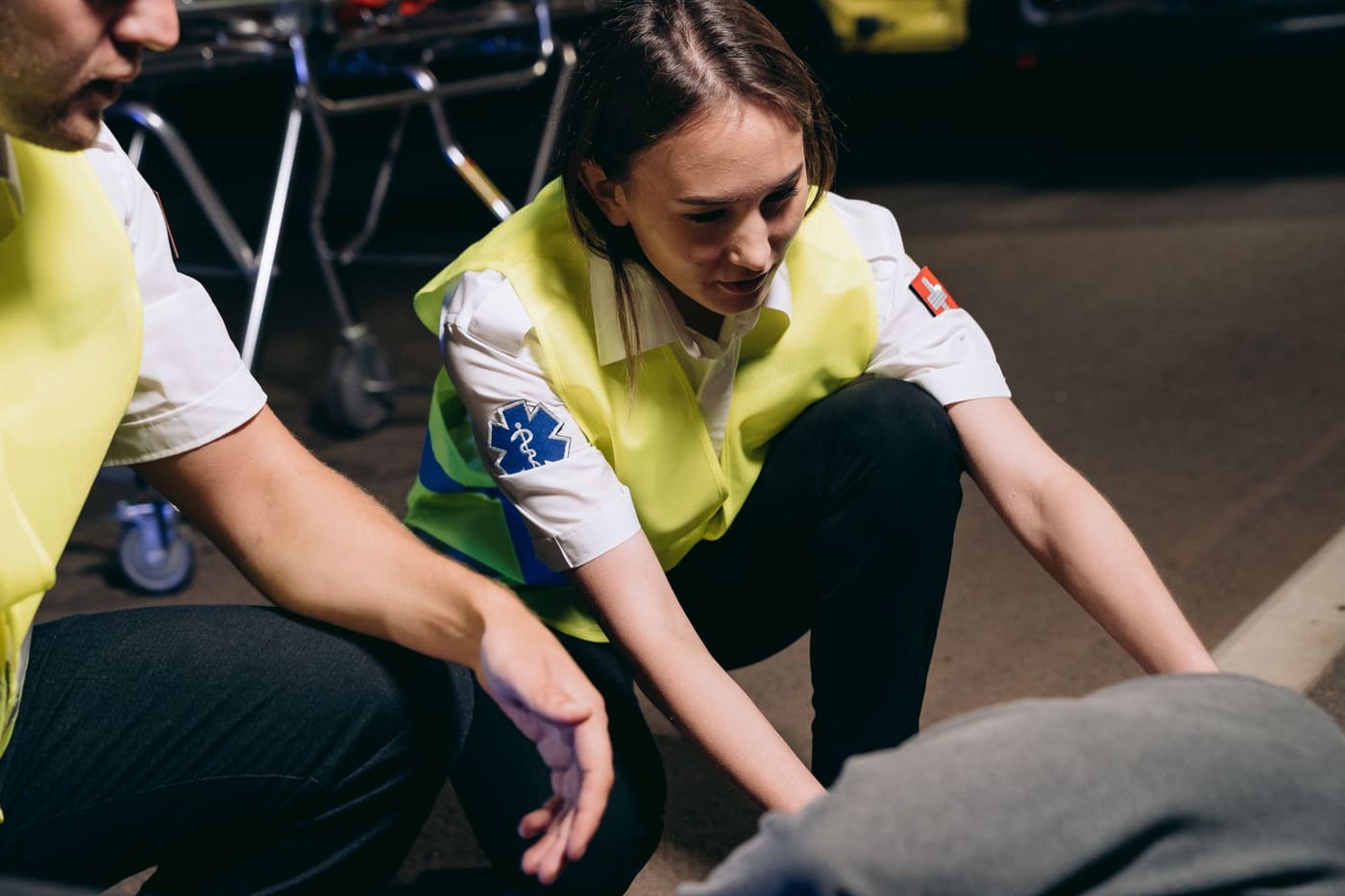
Narcan is a brand of naloxone nasal spray, and since March 29, 2023 the FDA has allowed it to be sold without a prescription. If you carry it, you’ll probably wonder two things: can it hurt the person, and what will they be like when they wake up? The short version is that naloxone itself is mild, and almost everything you’ll see after a reversal is opioid withdrawal arriving all at once. This guide separates the two, covers the rare serious warnings, and tells you what to do in the minutes after you give it.
Narcan’s Own Side Effects Are Mild
The side effects that come from the medicine itself are minor and mostly affect the nose. The Narcan prescribing information reports a study in 30 healthy adults who took one or two sprays and had no opioids in their system. The most common reactions were:
- nasal dryness, congestion, swelling or soreness inside the nose
- headache
- muscle pain or muscle spasms
- a rise in blood pressure
- constipation and toothache
- dry skin
MedlinePlus adds a change in your sense of taste and stomach pain. Because these people weren’t using opioids, the list shows what naloxone does on its own: not much. NIDA calls naloxone a safe medicine overall and says side effects from it are rare.
Sudden Withdrawal: What You’ll Actually See
The strongest effect most people notice is opioid withdrawal, and it can hit within minutes. Naloxone works by knocking opioids off the brain’s receptors, so someone whose body depends on opioids can go from overdose straight into withdrawal. Doctors call this precipitated withdrawal.
The FDA label lists these signs:
- body aches, stomach cramps and weakness
- sweating, fever, shivering or trembling, and goose bumps
- runny nose, sneezing and yawning
- nausea, vomiting or diarrhea
- a fast heartbeat and higher blood pressure
- nervousness, restlessness or irritability
The Narcan Drug Facts label puts it plainly: some people wake up shaking, sweating, nauseated or angry, and that is expected. NIDA says this withdrawal is uncomfortable but usually not life-threatening in adults.
Don’t take anger personally. The person was just pulled out of an overdose into sudden sickness, often without knowing what happened. Speak calmly, tell them they overdosed and that help is coming, and give them space. The opioid withdrawal guide explains how long withdrawal symptoms normally last and how they’re treated.
Side Effects of Naloxone vs. Opioid Withdrawal
This table shows which effects come from the medicine and which come from withdrawal. It helps you judge what’s normal after a reversal.
| From naloxone itself | From opioid withdrawal | |
|---|---|---|
| Who gets it | Anyone who receives a dose | People who depend on opioids |
| Typical signs | Dry or stuffy nose, headache, muscle aches, small rise in blood pressure | Vomiting, sweating, shaking, body aches, fast heartbeat, agitation |
| How serious | Mild | Uncomfortable, usually not life-threatening in adults |
| What to do | Nothing special | Keep them on their side, stay calm, wait for 911 |
| Exception | An allergy to naloxone (rare) | Newborns, who need emergency care |
The naloxone injection has a slightly different list: pain, burning or redness where the shot went in, hot flashes or flushing, dizziness, lightheadedness and nausea.
Vomiting After Narcan and How to Keep the Person Safe
Vomiting is common after a reversal because nausea and vomiting are part of withdrawal. The risk is choking, especially if the person is still drowsy. The CDC’s overdose response steps are:
- Give naloxone and call 911.
- Try to keep the person awake and breathing.
- Lay the person on their side to prevent choking.
- Stay with the person until emergency help arrives.
MedlinePlus calls the side-lying pose the recovery position and says to turn the person that way right after the first dose. If they don’t wake up within 2 to 3 minutes, the Drug Facts label says to give another dose and keep giving one every 2 to 3 minutes until they do. MedlinePlus says to switch nostrils and use a new spray each time. The label also says it’s safe to keep giving doses.
Can Narcan Hurt Someone Who Didn’t Take Opioids?
No. NIDA says naloxone has no effect on someone without opioids in their system, and the CDC says it won’t harm someone overdosing on drugs other than opioids. So if you aren’t sure what someone took, give it anyway and call 911.
It also has limits. NIDA says naloxone won’t reverse an overdose from cocaine or methamphetamine alone. It may only partly reverse buprenorphine, the medicine in Suboxone, so the FDA label says larger or repeat doses may be needed. The buprenorphine side effects post explains why mixing buprenorphine with alcohol or sedatives is risky. For fentanyl, a strong synthetic opioid (the opioid vs. opiate post explains the terms), the CDC says more than one dose may be needed.
Rare but Serious Risks: Allergy, Heart and Newborns
A few warnings apply to small groups of people, and you should know them before you need the spray.
- Allergy. The FDA label says people known to be allergic to naloxone shouldn’t receive it. NIDA notes allergic reactions are possible but rare. Watch for trouble breathing, swelling or hives, and tell the 911 dispatcher.
- Heart problems. The label reports dangerous heart rhythms, very high or low blood pressure, fluid in the lungs and cardiac arrest after an abrupt reversal. These reports came mainly from hospital patients after surgery, mostly people with existing heart disease or on drugs with similar effects. MedlinePlus lists a fast, pounding or irregular heartbeat as a serious side effect to report.
- Seizures. MedlinePlus lists seizures and loss of consciousness among serious side effects.
- Newborns. In babies, the label says withdrawal can be life-threatening and may cause convulsions, excessive crying and overactive reflexes. Any baby who gets naloxone needs emergency care.
- Pregnancy. Naloxone crosses the placenta and can cause withdrawal in the unborn baby. The label says the baby should be checked for distress afterward. A pregnant person who is overdosing still needs naloxone; just tell the paramedics about the pregnancy.
None of these is a reason to hold back in an overdose. Not breathing is the bigger danger, and paramedics can treat these problems once they arrive.
Why the Overdose Can Come Back
Naloxone wears off before many opioids do. NIDA says it reverses an overdose for only 30 to 90 minutes. When it fades, the opioid still in the body can slow breathing again, even after the person seemed fine. The FDA label says to keep watching them and give another dose if they slip back.
That’s why the Drug Facts label says to stay until the ambulance arrives, even if the person wakes up. The CDC says to stay with them until help arrives or for at least four hours, and NIDA says people should be watched for 2 hours after the last dose. Many people want to leave once they feel sick and alert. Encourage them to stay. The signs of addiction guide lists the signs of an overdose so you know what to watch for.
After the Reversal: Getting Treatment
Naloxone buys time, but it doesn’t treat opioid use disorder, the medical name for opioid addiction. Medicines such as buprenorphine and methadone do, and the medication for opioid use disorder guide compares them. If withdrawal is what stands between someone and treatment, a detox program can manage it with medical care.
Keep a fresh kit on hand. The naloxone guide covers storage, Good Samaritan laws and where to get it. Your state page covers your state’s naloxone and Good Samaritan laws, and the treatment finder shows programs near you that offer medication treatment.
Frequently Asked Questions
What Happens if You Give Narcan to Someone Who Doesn't Need It?
Nothing harmful. NIDA says naloxone has no effect on someone who doesn't have opioids in their system, and the CDC says it won't harm someone overdosing on drugs other than opioids. If you aren't sure what the person took, give it and call 911.
Is There Any Harm in Giving Narcan?
The main risks are sudden opioid withdrawal in someone who depends on opioids and, rarely, an allergic reaction. NIDA calls naloxone a safe medicine overall. The FDA label says people allergic to naloxone shouldn't receive it, and it warns that heart problems after a sudden reversal mostly happened in hospital patients who already had heart disease.
Do You Throw Up After Narcan?
Some people do. Nausea and vomiting are part of the opioid withdrawal that naloxone can trigger, according to the FDA label and NIDA. The CDC says to lay the person on their side so they don't choke.
How Long Does Narcan Take to Wear Off?
NIDA says naloxone reverses an overdose for only 30 to 90 minutes, and many opioids last longer, so the person can stop breathing well again. Stay with them until help arrives, and give another dose if they get very sleepy again.
What Drugs Won't Narcan Work On?
Naloxone reverses opioids only. NIDA says it won't reverse an overdose from cocaine or methamphetamine. MedlinePlus adds that it may not fully reverse buprenorphine or pentazocine, and the FDA label says larger or repeat doses may be needed for those.
Can Narcan Cause Seizures?
Rarely. MedlinePlus lists seizures among the serious side effects to report, and the FDA label lists seizures among the effects of an abrupt reversal in hospital patients after surgery. In babies, withdrawal can cause convulsions, which is why a newborn needs emergency care after naloxone.
Guides on This Topic
More From the Blog
- Opioid vs Opiate: What's the Difference?Opioid vs opiate explained: what each word means, a chart of natural, semi-synthetic and synthetic drugs, and why the difference doesn't change treatment.
- Buprenorphine Side Effects: What's Common and What Needs a CallBuprenorphine side effects explained: what's common with Suboxone and Sublocade, label percentages, dental risks, warning signs, and the mixes to avoid.
- Naltrexone for Alcohol: How It Works and What to ExpectNaltrexone for alcohol explained: how it cuts cravings, pill vs. monthly shot, when to start, side effects, the opioid warning and how to get a prescription.
This post explains treatment options in plain language from official sources. It isn't medical advice; a clinician can assess what care fits your situation.
Sources
- DailyMed: Narcan Nasal Spray Prescribing Information (FDA label)
- DailyMed: Narcan Nasal Spray OTC Drug Facts Label
- NIDA: Naloxone DrugFacts
- CDC: Lifesaving Naloxone
- CDC: What to Do If You Think Someone Is Overdosing
- MedlinePlus: Naloxone Nasal Spray
- MedlinePlus: Naloxone Injection
- FDA: FDA Approves First Over-the-Counter Naloxone Nasal Spray